

SumitChing
Power Player
People act fake primarily out of insecurity, fear of rejection, and a desperate need to fit in or gain social/professional power. This behavior acts as a defense mechanism to hide true feelings and maintain a curated, idealized image to gain approval. It is often a "survival" strategy to be liked, though it stems from low self-esteem or narcissistic tendencies. [1, 2, 3, 4, 5, 6]
Key reasons why people act "fake" include:
Key reasons why people act "fake" include:
- Insecurity & Fear: At the core, many are afraid of being judged, rejected, or disliked. They hide their true selves to ensure acceptance.
- Need for Validation: They rely on external praise to feel worthy and use flattering, yet shallow, social connections to bolster their self-esteem.
- Systemic Rewards: Society often rewards style over substance, encouraging individuals to curate a fake persona to succeed or appear "important".
- Manipulation & Power: Some use inauthenticity to control situations, manipulate others, or climb social/professional ladders.
- Lack of Self-Awareness: Some individuals, including those with narcissistic tendencies, may lack empathy and are truly unaware of the disconnect between their behavior and their true selves.
- Habitual Inauthenticity: It becomes a "fake it till you make it" strategy, where they pretend to be someone they are not to, in time, become that person or fit in.
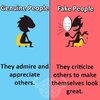




 erformative Kindness: They use sweetness as a weapon to get close to you. Once they have your trust, they use it to feed their own ego or hidden agenda.The Exit Strategy: When things get real or when they are done "using" your light, they slip away without an explanation because they lack the integrity to face the mess they made.Your Reflection vs. Theirs: Their behavior isn't a reflection of your worth; it’s a reflection of their own internal chaos. They create "nonsense" because they aren't at peace with themselves.It’s exhausting to deal with people who treat your heart like a playground for their games. You survived the serpents you saw coming—don't let the "butterflies" who hid their fangs make you hate your own kindness.